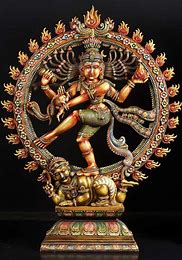
Shiva, the Lord of dance is part of the trimurti in Hindu mythology, consisting of three gods, Brahma, the creator and Vishnu, the preserver. As part of this trimurti, it is the role of Shiva to destroy the universe and thus re-recreate it.
Shiva, the Lord of dance is part of the trimurti in Hindu mythology, consisting of three gods, Brahma, the creator and Vishnu, the preserver. As part of this trimurti, it is the role of Shiva to destroy the universe and thus re-recreate it.
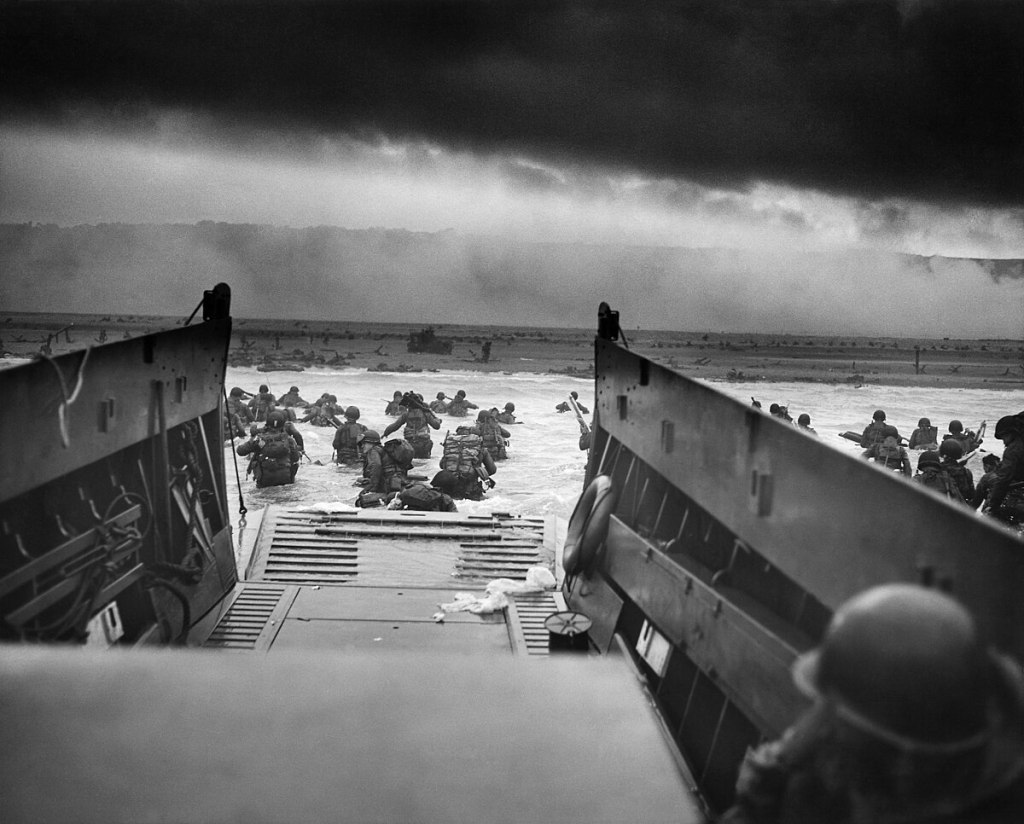
Monday 6th June, marks 77 years, since the second World war.
Allied forces landed on the shores of Normandy to conquer the Nazi Germany territory, which was a successful naval mission.
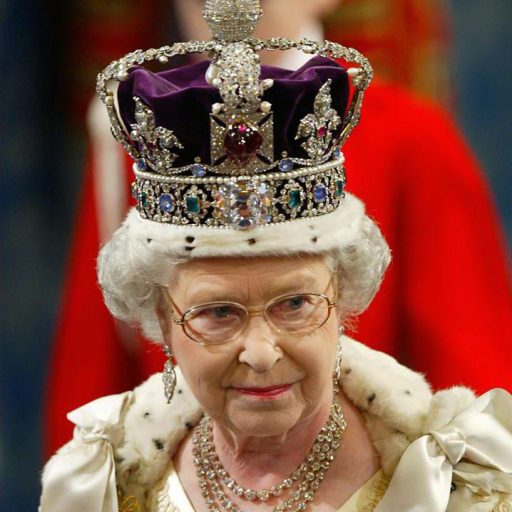
Her majesty the Queen Elizabeth II, of England celebrates her 70 year reign on the thrown.
The monarchy has been administrative in the development and commonwealth for the common good.
God, save the Queen.
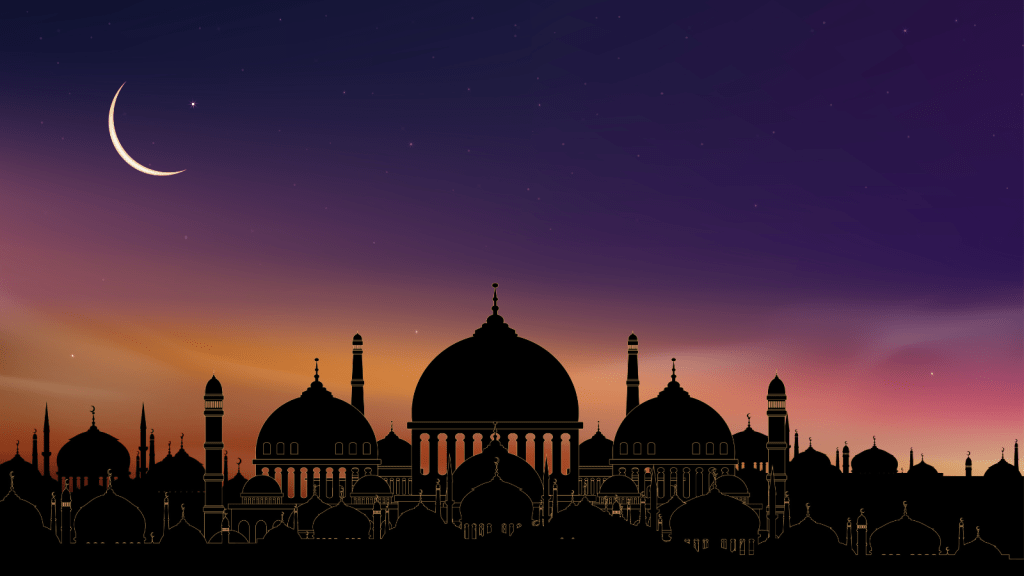
Ramadan is a month of fasting observed by Muslims all over the world. Based on the lunar calendar, the fasting begins with the sighting of the crescent moon to the next. It is known as a time for prayer and reflection, the holiest month for Muslims, as it is believed the month when the Qur’an was revealed to the Prophet Muhammad. Fasting for Muslims begins when the sun is up and during this month, Muslims don’t eat or drink anything at all, breaking fast only when the sun goes down.
One of the five pillars of Islam, are the five obligations that every Muslim must adhere to, to be a good Muslim according to the faith is to fast Ramadan, known as Sawm, a prerequisite of the Islamic faith. Along with Zakat, a charity obligation, performing Hajj, a pilgrimage to Mecca, Salat, to pray five times a day and to profess the Shahadah, the first and most important pillar of Islam, to declare that there is no other God, but Allah and Muhammad is the last prophet.
The end of Ramadan is celebrated by a festival called Eid- al-Fitr. Here, believers mark the event by dressing up, eating, visiting the mosque, friends and family.
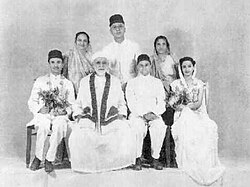
Zoroastrianism is known as one of the oldest monotheistic religions. grown in Iran and it has also moved to India, especially Mumbai, where they are known as Parsee or Parsi. They are a member of the Zoroastrian ethnic group who fled from religious persecution centuries ago. They still maintain traditions of the ancient Persian faith.
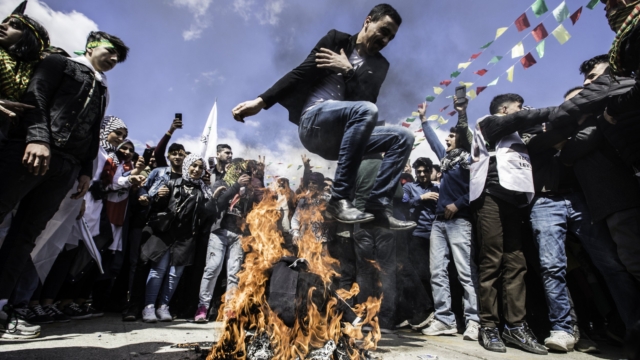
Nowruz or Nowruz is the celebration of new Year for Zoroastrians, celebrating springs arrival and symbolising rebirth, deeply tied to fire rituals as a a symbol of divine purity and life force, with celebrations involving lighting fires, spring cleaning, family gatherings, and feasting, rooted in Zoroastrianism but now celebrated by many cultures.
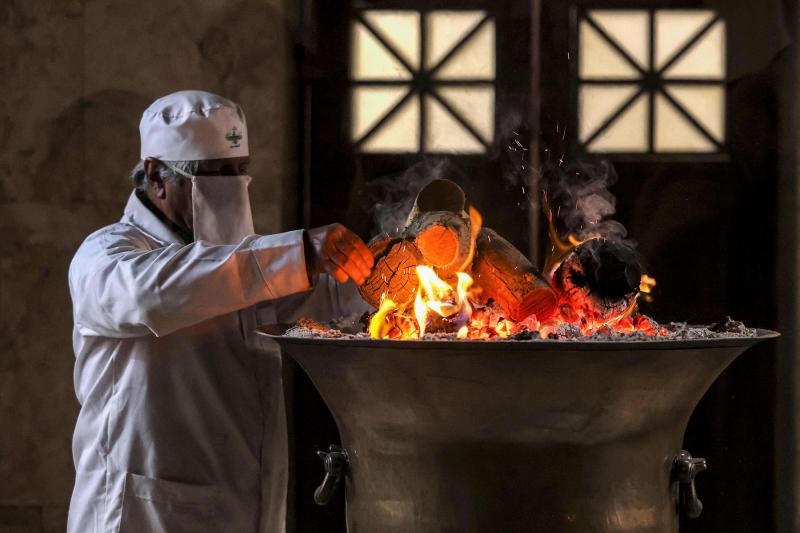
Zoroastrians honour the fire as a representation of their God, Ahura Mazda, seeing it as a pure, vibrant force, not worshipping the fire itself but its spiritual significance. Sacred fires are kept burning continuously in temples, requiring elaborate rituals and prayers.
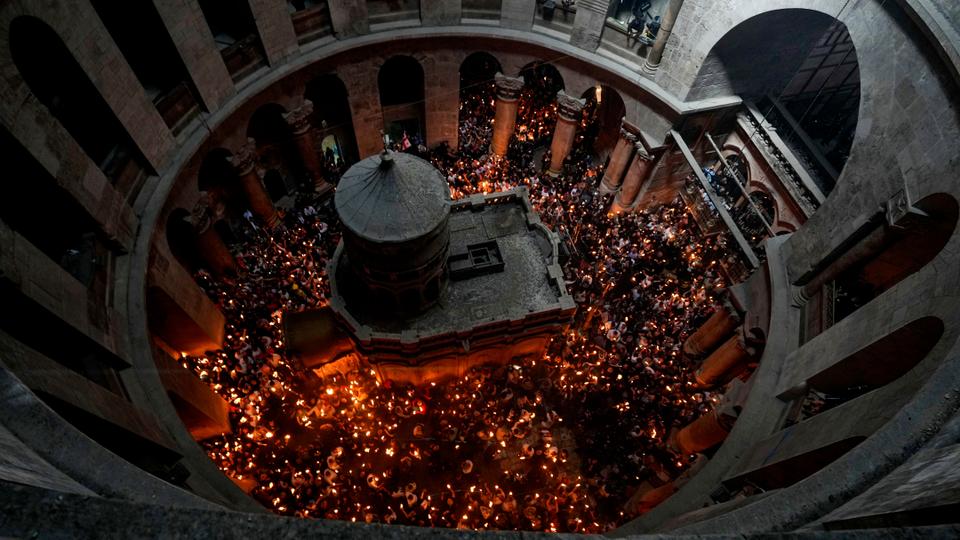
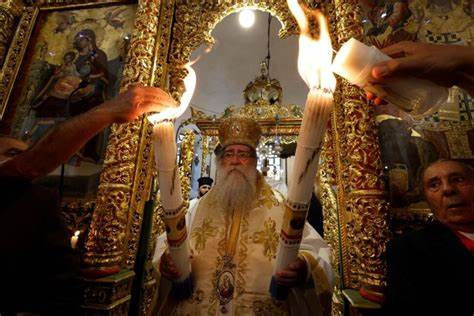
Today, Saturday the 23rd of April marks the Holy Fire ceremony at the Church of the Holy Sepulchre in Jerusalem.
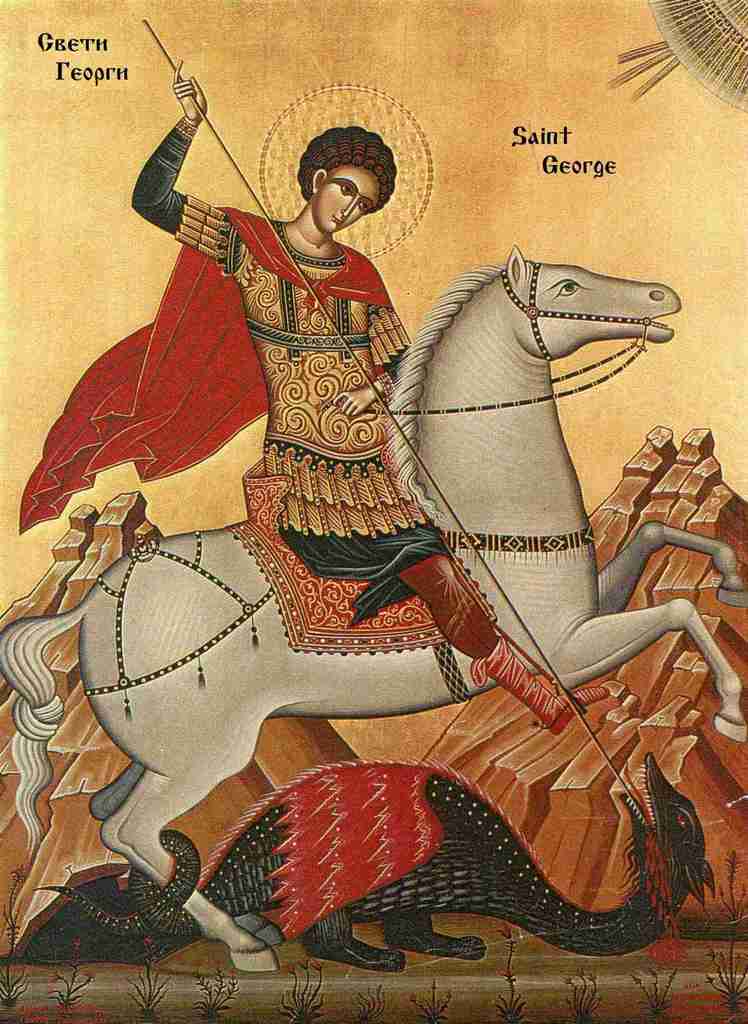
Today, Saturday 23rd April 2022, marks a key event within the Christian calendar which venerates St. George the patron saint of England.
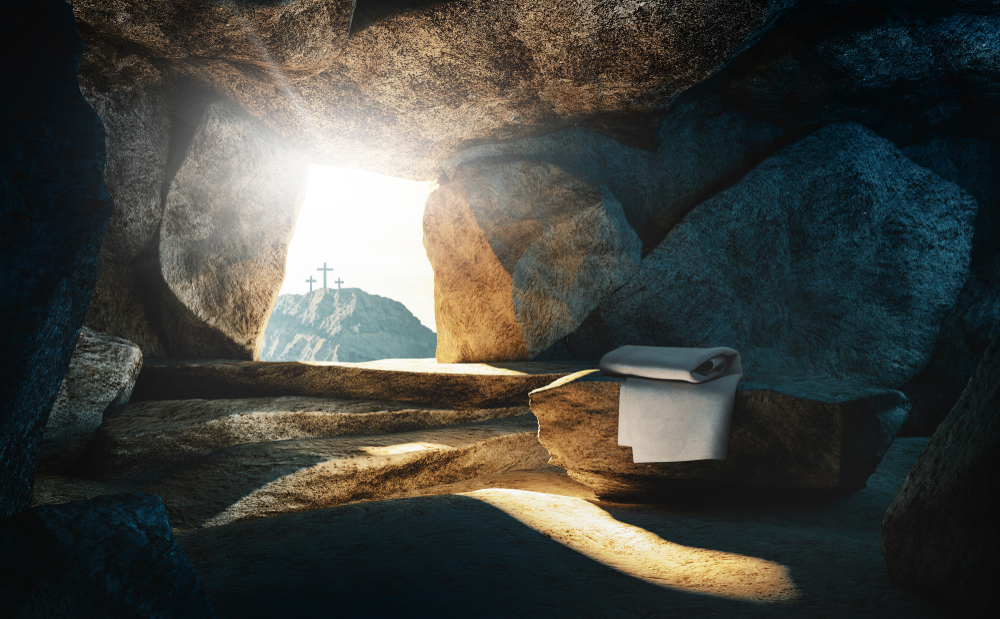
Easter Sunday, also known as Pascha (Aramaic, Greek and Latin) is a Christian holiday, which commemorates the resurrection of Jesus Christ.
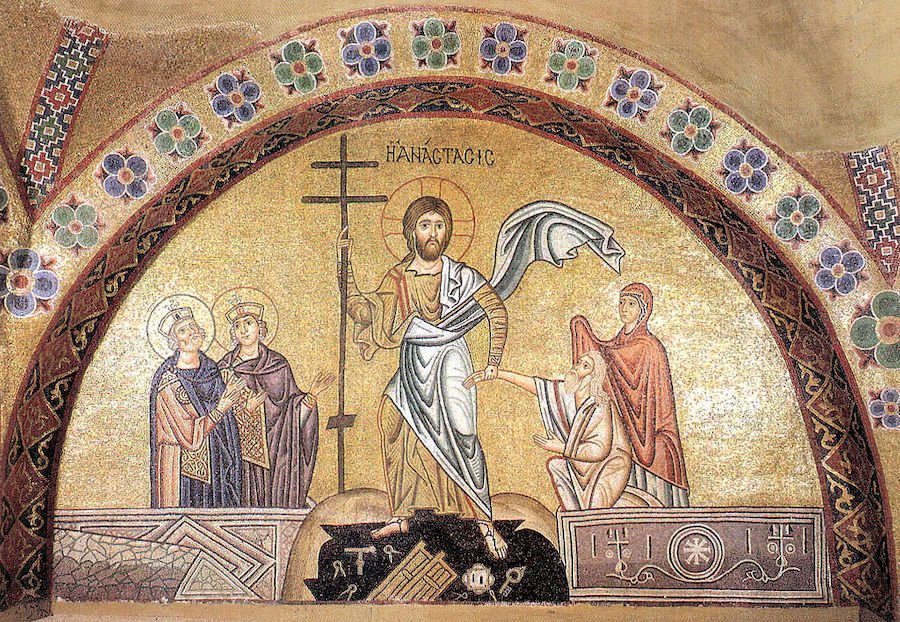
Holy Saturday, also known as ‘Easter Vigil’, comes after Good Friday and before Resurrection Sunday, marking the last day of Holy Week.
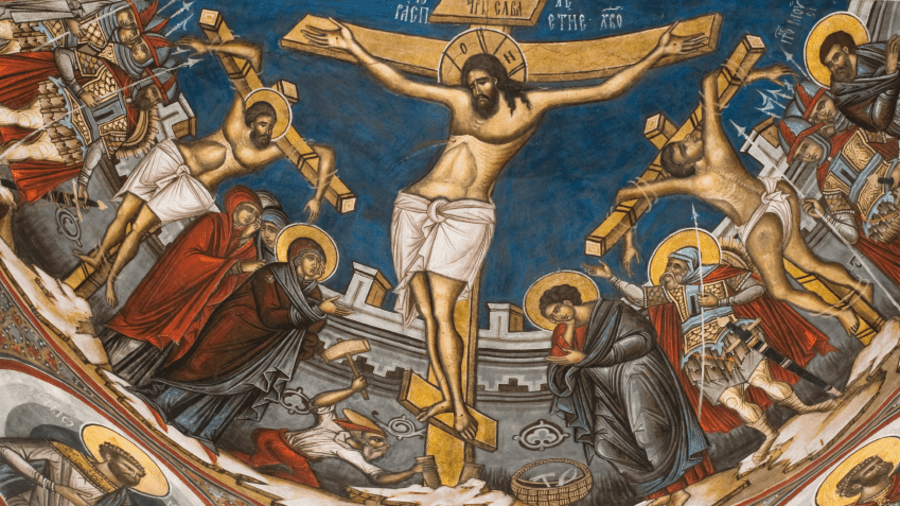
Good Friday marks the beginning of the Paschal Triduum, commemorating the crucifixion of Jesus Christ and his sacrifice at cavalry, his death and sacrifice.
This day is remembered around the world, by fasting, prayer and in some countries are forbidden to dance and ride horses to recognise the sacrifice endured by Jesus.
 ÉLiXir